
Introducing Maria Piotrowski of White Turtle Beauty in Ontario, Canada. Maria recently shared with me the story of how she started her business, what her brand stands for, what she loves about being a member of the Indie Business Network and more. Maria's story and the tips and resources shared here will inform, inspire and empower your entrepreneurial journey!
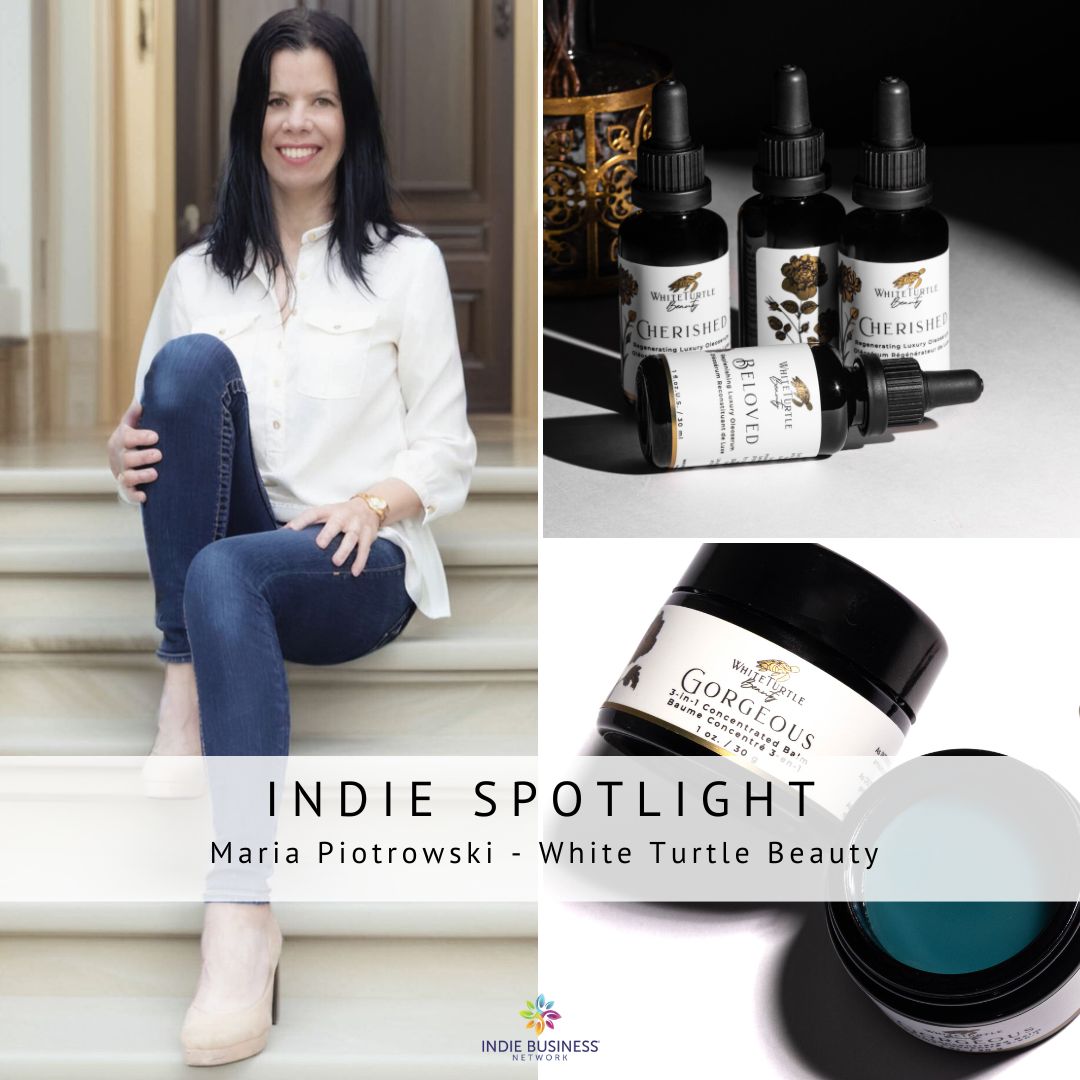
Q: How long have you been making products? How did you get started?
Maria:
I grew up mixing DIY skincare recipes I found in my mom's and grandmother's magazines. It was my version of a science lab. Following my lifelong interest in holistic health, nutrition and the science of what we feed our bodies inside and out, I started formulating skincare products in early 2020. When I finally decided to go all in, it felt less like a leap and more like a natural next chapter.
I started by diving deeply into organic chemistry, ingredient research, and professional skincare formulation. The more I learned, the more convinced I became that there was a better way to formulate, one rooted in what nature already provides.
Q: What sets your products apart? How is your skincare brand unique?
Maria:
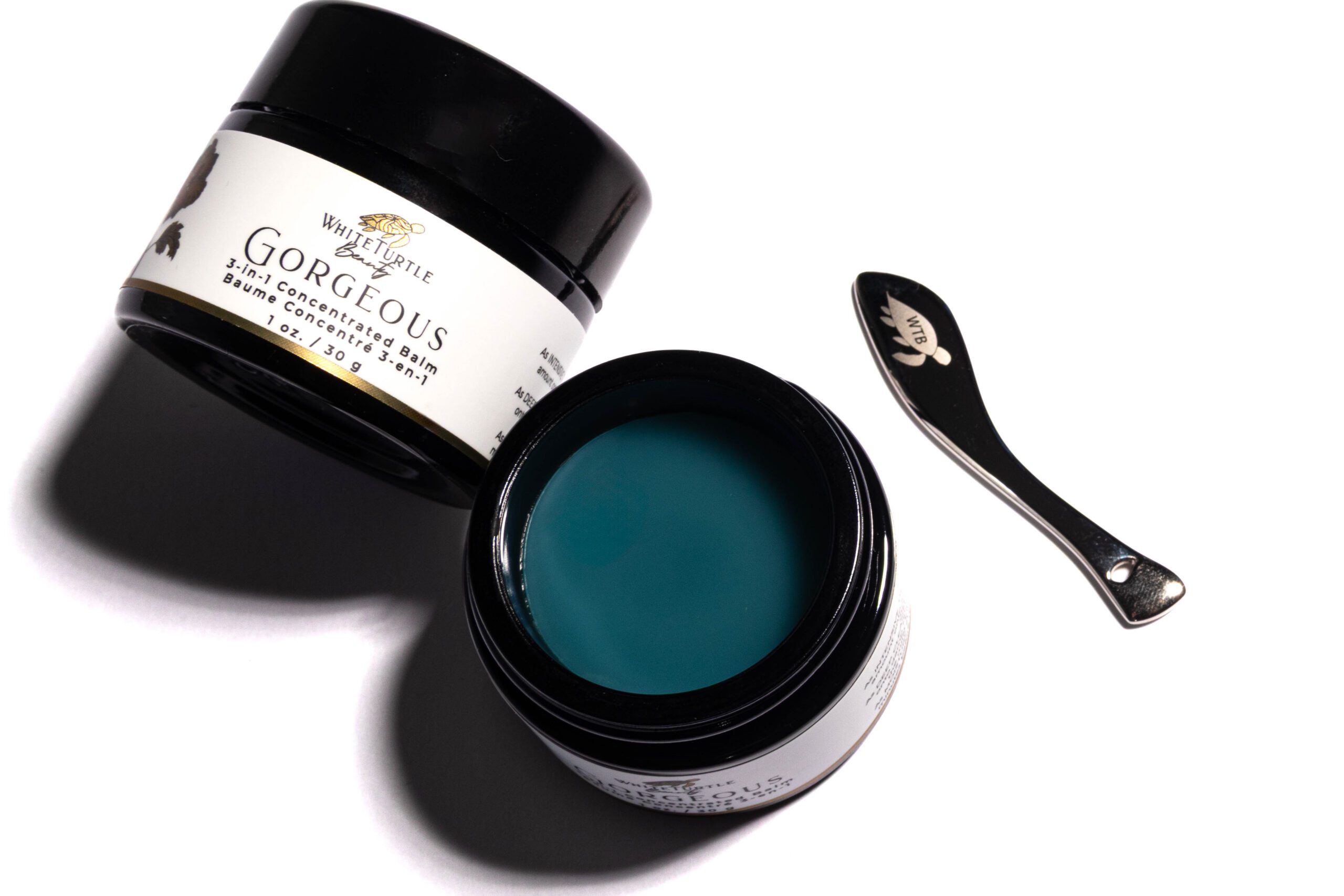
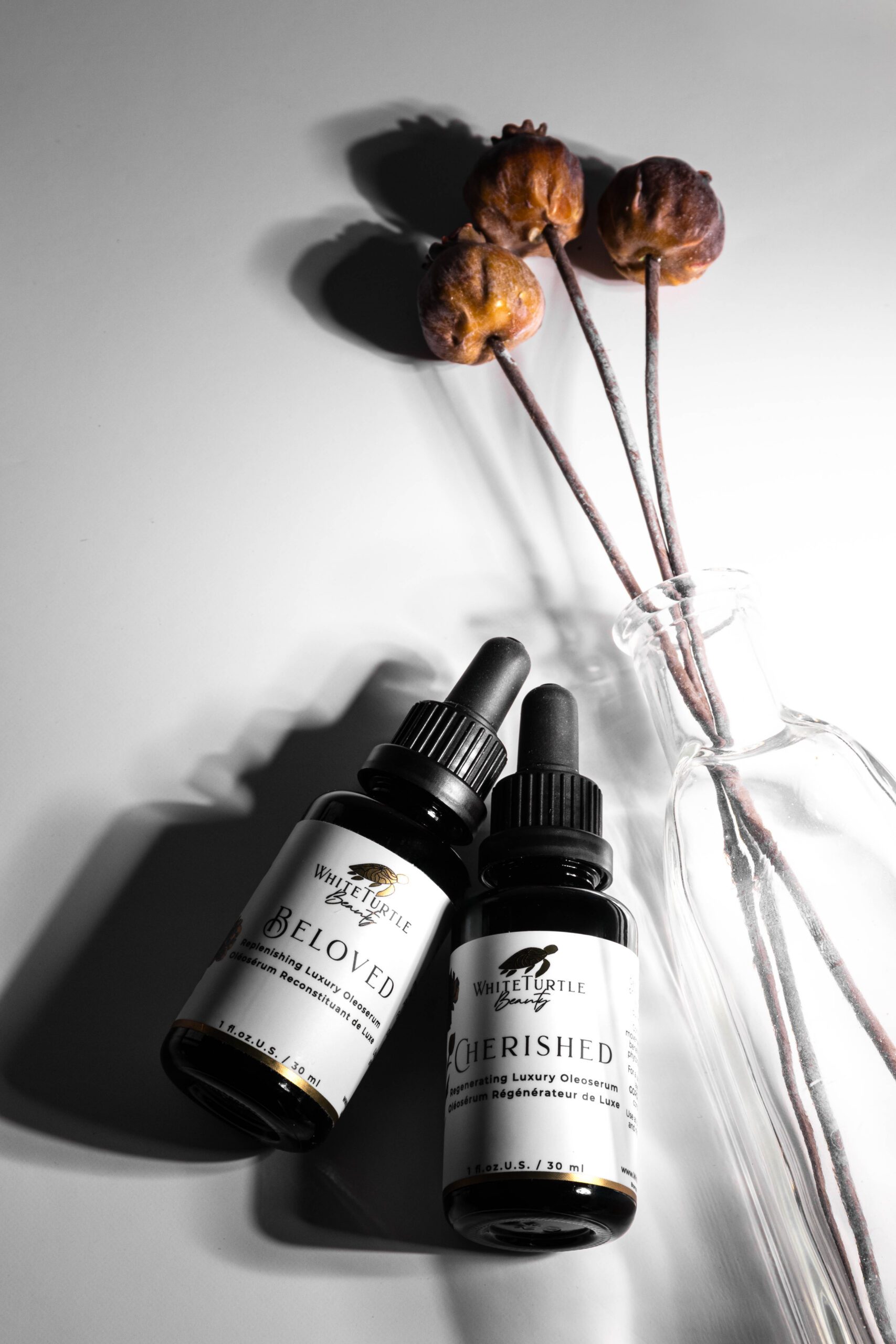
A few things set White Turtle Beauty apart, and they all connect back to the same philosophy: give your skin less of what it doesn't need, and more of what it does.
That philosophy came from personal experience. For years I chased every new ten-step routine, convinced that more products meant better skin. What I discovered was the opposite. My skin became increasingly reactive and overwhelmed by the constant layering, and the harsh ingredients that came with it. It never had time to adjust or rebalance. That realization shifted everything: what if skin needed less, not more? That question is at the heart of every White Turtle Beauty formula.
First, we formulate for the skin barrier, not for skin types. The barrier is the foundation of healthy skin regardless of whether your skin is dry, oily, normal or mature. When it's compromised, dry skin becomes fragile and reactive, normal skin loses its balance and mature skin stops responding to products altogether. We address the root cause of most skin imbalances, not just the symptoms.
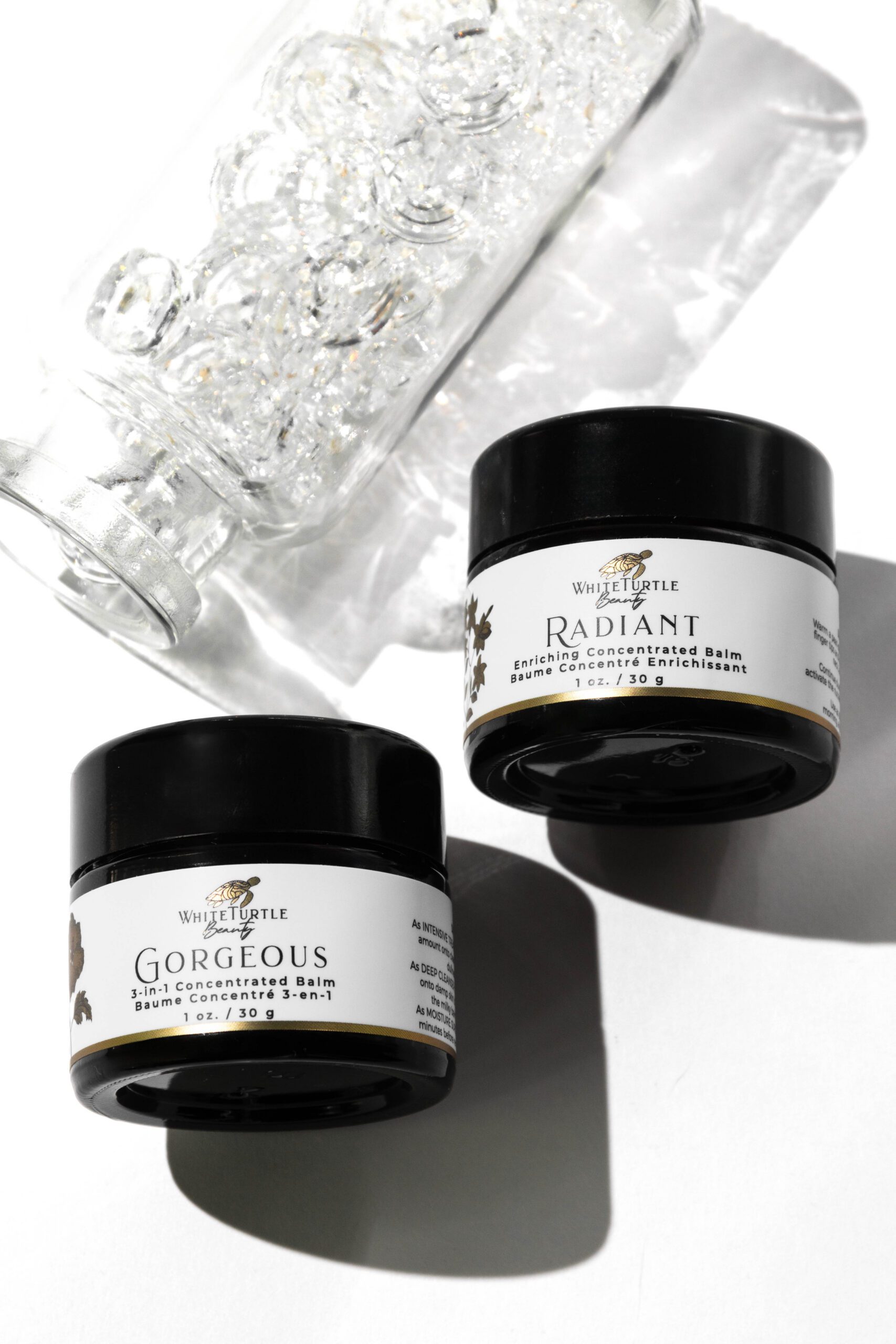
Second, White Turtle Beauty formulas are entirely plant-based, and waterless. Removing water from a formula isn't about dismissing it; water is essential to skin health and to life. It's about concentration. When a formula doesn't rely on water as a base, every ingredient that remains must earn its place, and what you're applying is purposeful and far more potent per application. And because our formulas are plant-based, there is a deeper reason they work. Our skin has co-evolved with plant compounds for millennia. It recognizes them. They work with the skin's biology, not against it.
Third, most of our products are genuinely multifunctional, designed to work as an entire routine in a single step. That's not a shortcut. It's the result of deliberate formula design, where each ingredient carries real weight. Fewer ingredients means fewer potential irritants, a simpler ritual, and a much clearer sense of what's actually working.
Q: How do you sell your products? Wholesale? Retail? Physical locations?
Maria:
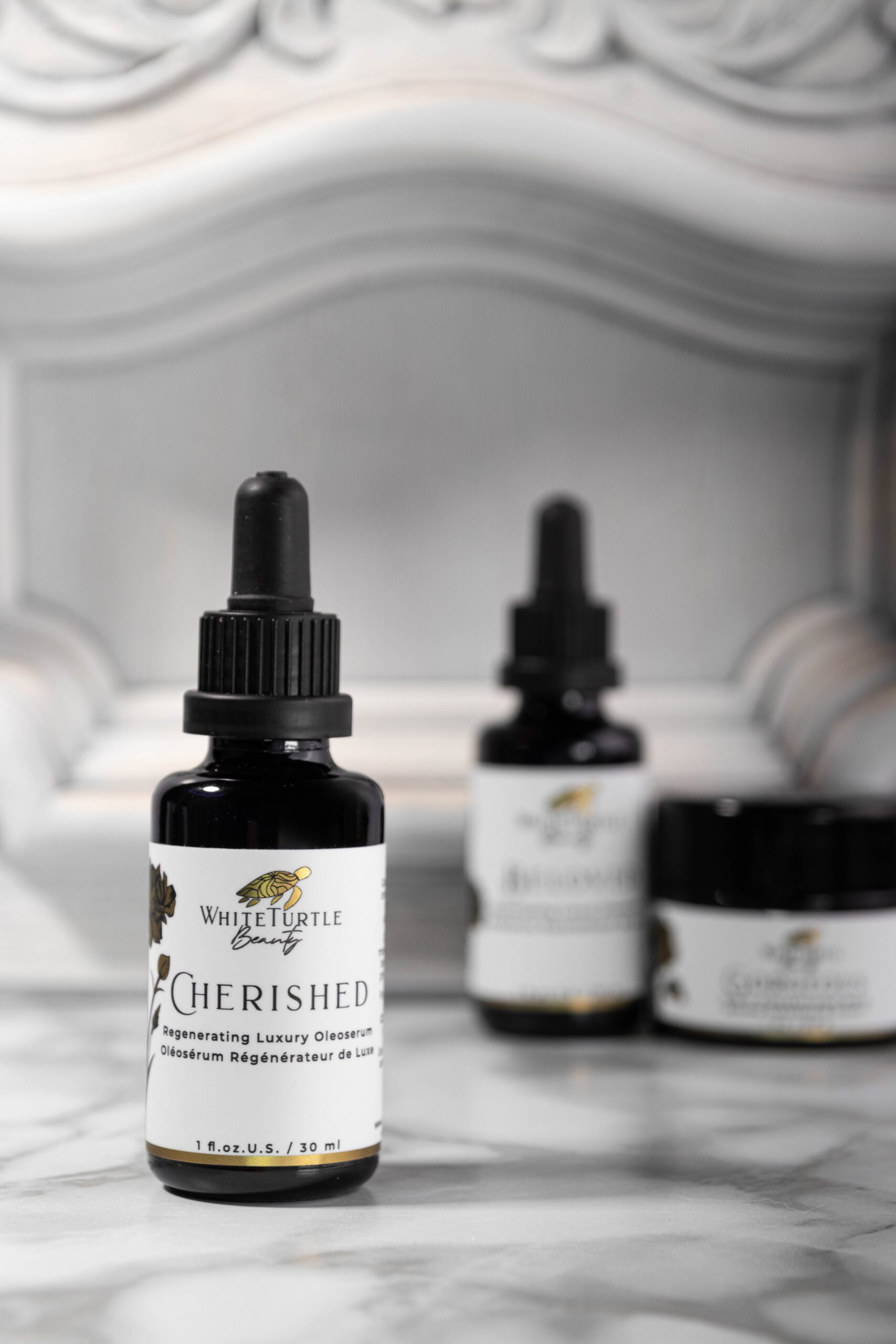
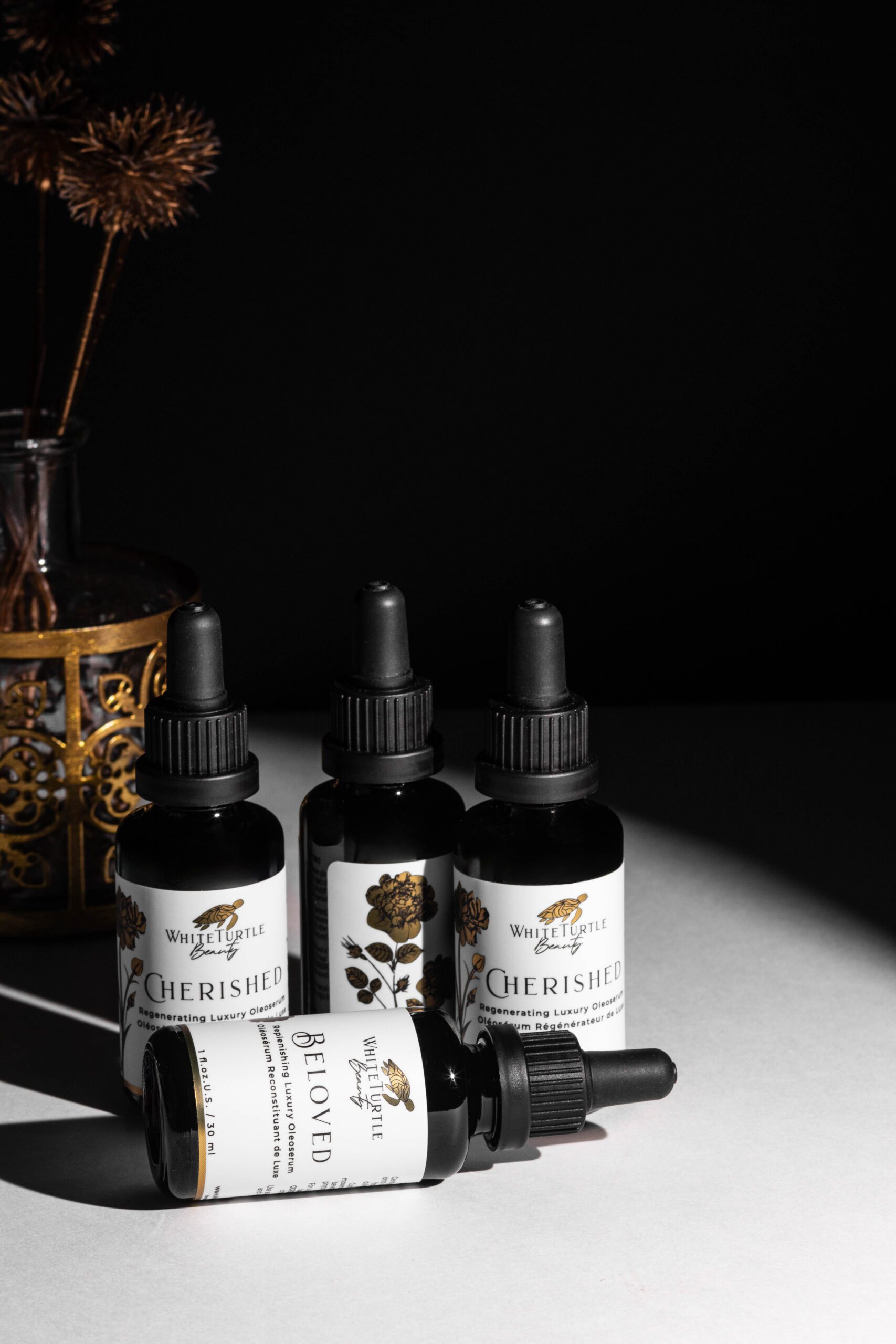
Presently, we sell exclusively through our online store, whiteturtlebeauty.com, which allows us to stay close to our customers and be very intentional about how the brand shows up. This year, we're looking forward to expanding into select retailers that align with our values around ingredient integrity, sustainability and education. Growth for growth's sake is not the goal.
Q: What do you enjoy most about the creative entrepreneurial process?
Maria:
Freedom, and I didn't fully appreciate it until I had it. The freedom to start from scratch when something isn't working, to scrap an idea without having to justify it to anyone and to change direction because your instincts tell you to. Freedom is permission to try new things all the time. In a corporate environment, that kind of flexibility simply doesn't exist.
There's also something deeply satisfying about building a brand that is completely aligned with my values, where every decision reflects what I actually believe in. That alignment is rare. It's one of the things that make indie brands so unique.
Q: What has been a challenge in your business? How do you overcome it?
Maria:
Being a solo founder is genuinely isolating in ways I didn't fully anticipate. You're wearing every hat: formulator, logistics coordinator, finance expert, customer service team, social media manager and many more. The mental load of holding all of it at once is real, and the hardest part isn't any single task. It's the constant context-switching, staying focused when everything feels equally urgent and resisting the pull of every new direction.
What's helped most is understanding that I didn't have to do it all alone. And that it was okay to ask for help.
Q: What advice would you give to people just starting out?
Maria:
Automate from day one. Build your email sequences when you have ten subscribers. Set up your shipping workflow when you're shipping once a week. Create a comprehensive FAQ document you can draw from every time a repeated question comes in. It feels like too much when your volume is small, but this is precisely where small brands choke when momentum hits. They get buried under tasks that could have been streamlined from the start, and end up making rushed decisions that take years to untangle.
Three things I wish someone had told me earlier.
- Be patient with yourself. You don't know everything, and you're not supposed to. Being persistent and focus on your north star: the reason you started your business in the first place. When things get confusing, let it guide you back to center.
- Put yourself first, especially if you're a solopreneur. Everything depends on you, which means your energy and clarity aren't luxuries but business strategies. Take the day off. Take the week off if you need to. Sometimes the best thing you can do for your brand is step back and look at it from 10,000 feet. It's far too easy to get buried in the wrong things when you're deep in the weeds.
- Don't be afraid to ask for help; doing so is wisdom, not weakness.
Q: What other Indies do you admire, and why?
Maria:
Two brands I return to often, and for the same core reason: they built something with genuine conviction and never chased scale for its own sake.
The first is Vintner's Daughter. Founder April Gargiulo walked away from the multi-step routine entirely, seeing it for what it had become: overwhelming, diluted, built more around consumption than results. What I admire most is the uncompromising commitment to ingredient and formula quality. Ten years in, she still has only three products. That kind of focus takes real discipline. And like us, her products are 100% plant based, with a shared belief that when a formula is made well enough, fewer products genuinely deliver more.
And then there's Inlight Beauty, founded by Dr. Mariano Spiezia, a medical doctor and clinical herbalist, and another 100% botanical brand. What resonates is the depth of formulation knowledge behind every product, and the same uncompromising commitment to ingredient integrity and process that we hold at White Turtle Beauty.

Q: What is your vision for the future of your business?
Maria:
I want White Turtle Beauty to be genuinely known for changing how people think about their skin. Not chasing a 10-step routine, not buying more, but understanding what their skin actually needs and trusting fewer, better products to deliver it.
In practical terms, I'd love to see sustainable, intentional growth into selected retail partners that share our values, and a community of customers who feel educated and empowered, not just sold to. What I don't want is growth that compromises formula integrity or the founder-led conviction that got us here.
I plan to stay independent, stay intentional and continue to enjoy success on my own terms.
Q: What resources do you recommend to other small business owners?
Maria:
I'm a podcast person. I absorb information better in audible format, and it fits more naturally into the rhythm of running a business solo. But one book I would genuinely put in every indie founder's hands is Company of One by Paul Jarvis. His central argument, that growth isn't always good and that being better rather than bigger is a complete and valid business strategy, is something I already felt intuitively about White Turtle Beauty. For anyone building intentionally, on their own terms, that reframe is quietly revolutionary.
Any AI tool that works for you, and I say this practically, not as a buzzword. I use Gemini and Claude for research and analysis tasks, like staying current with industry news, sorting data, recommending best apps for my Shopify store, deciding what to automate and how, summarizing articles and podcasts so I can absorb information faster without sacrificing depth. As a solo founder, one of the hardest things is keeping up with the volume of information relevant to running a small brand. AI compresses that time significantly.
What AI doesn't do is replace judgment, expertise, or the relationships that actually build a brand. Those still require you. But for everything that surrounds them, AI is the most useful tool I've added to my workflow. If you're a solopreneur and you're not using it yet, start small: summarize a podcast episode you don't have time to finish, research an ingredient, get a quick read on a trend. The time it returns to you is real.
Q: What's do you love most about the Indie Business Network?
Maria:
The community, genuinely. There's something specific about a network built for indie founders, people who understand building something independently, without the support of large investors or teams. Learning from the unique challenges of other Indie founders I encounter every day, and how they overcame them, is invaluable.
What sets IBN further apart is the direct access to Donna Maria herself. Being able to reach out in our Entrepreneur Member community and get a real response from the person who built the network is rare, and it matters, because most of the time it's group admins or other users who lead the conversations. It's the difference between a real community and just another group or membership.
Learn more about the Indie Business Network and our members!
Join us on Instagram to explore even more!